St. Louis Day of .NET–That’s a Wrap!
Earlier this year I I was lucky enough to have been invited to speak at last weekend’s St. Louis Day of .NET conference in (you guessed it!) St. Louis, Missouri […]

Earlier this year I I was lucky enough to have been invited to speak at last weekend’s St. Louis Day of .NET conference in (you guessed it!) St. Louis, Missouri […]
At the beginning of this month I had the pleasure of traveling down to Columbia, Maryland to address the August 2011 meeting of the Central Maryland Association of .NET Professionals […]
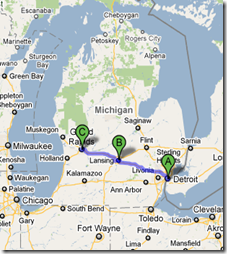
I’m in the process of putting the finishing touches on several talks that I will be giving the week of July 18, 2011 in the southern part of the state […]
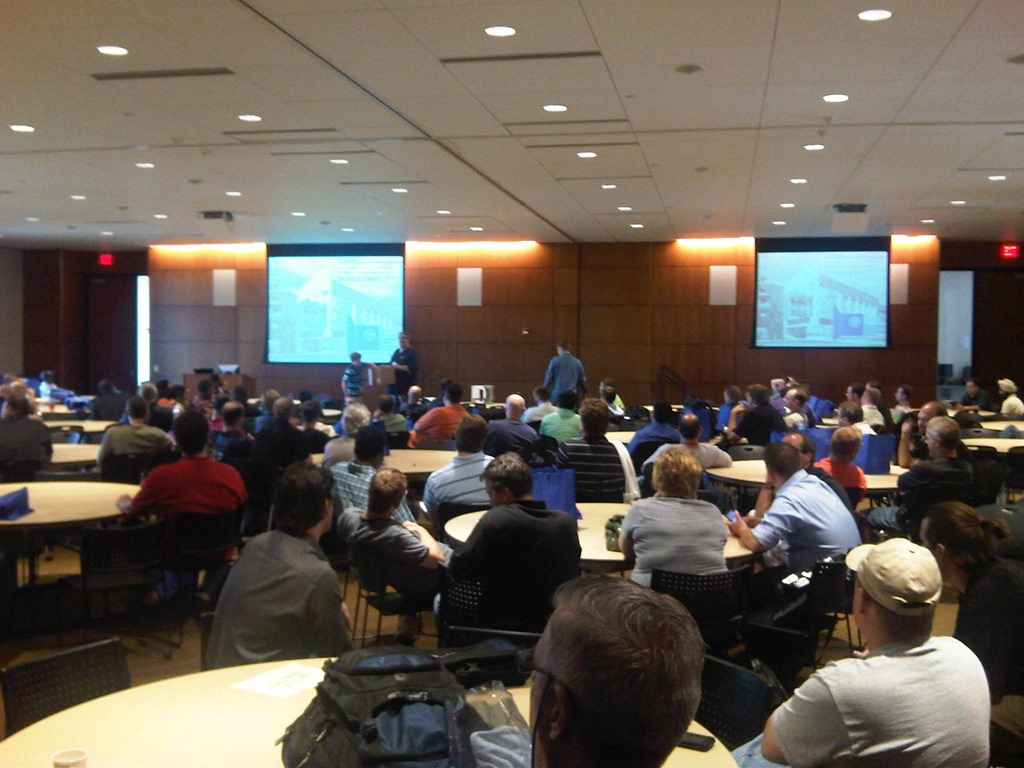
On Saturday June 25th, 2011 I had the pleasure of speaking at my first Kansas City Developer Conference (KCDC) event. This is the third year that this event has been […]

Last Thursday (6/23/2011) I had the privilege of delivering my new talk, “CQRS: Crack for Architecture Addicts or an Idea Whose Time Has Come?” to the Philadelphia-area ALT.NET user group. […]

About a week and a half ago I had the pleasure of traveling down to Washington DC to deliver my Domain Driven Design Implementation Patterns in .NET talk to the […]

About two weeks ago, on November 13th, 2010 we finished the (re)delivery of the Agile Firestarter content here in NYC to an assembled group of about 80 interested software developers. […]

On November 11th, 2010 I had the pleasure of being asked to deliver my talk on Domain Driven Design Implementation Patterns in .NET to the Central NJ .NET User Group […]

Code Camp Wrap Up Three weeks ago (on November 6th, 2010), I had the good fortune of being selected to deliver two talks at the recent Fairfield Westchester Code Camp […]
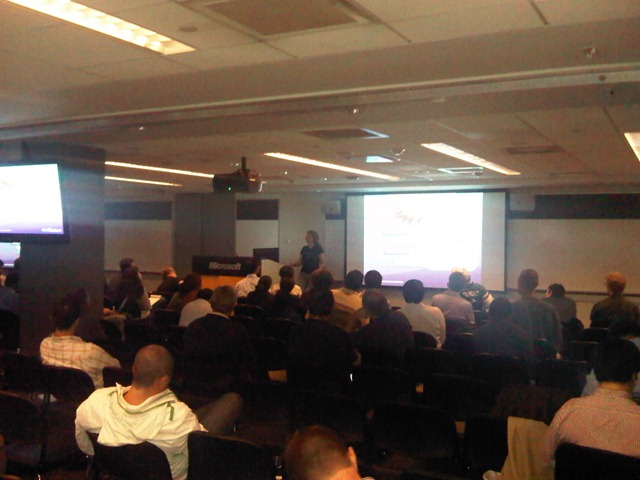
This post is a bit overdue, slightly out of chronological order, and will probably have me rambling a bit too much but I’ve been busy lately – so sue me […]